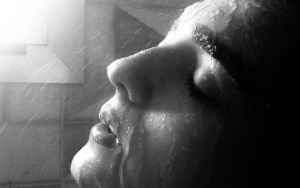


Short answer: Sleep affects how skin looks, in modest and specific ways. Skin loses water more readily overnight, and that is the practical argument for a night-time moisturizer. After a poor night you get the look of puffiness, dullness and shadow under the eyes, and other people notice it. Exercise that raises the heart rate supports circulation, including blood flow to the skin. None of this adds up to a transformation, and none of it is a substitute for skincare. Sleep, exercise, hydration, nutrition and sun protection are healthy-living habits that complement a well-designed skincare routine. Neither replaces the other.
Here is what the connection is, without the timetable.
What happens to skin overnight
A study that measured skin every two hours around the clock found a daily rhythm in how much water evaporates through it: highest in the evening and lowest in the morning. That is the practical argument for a moisturizer at night. Skin is not somehow more open after dark, and it does not take in more of what you put on it. It loses water more readily in those hours, and a cream applied then sits undisturbed. Day Cream vs Night Cream covers how the two differ.
What a bad night actually looks like
Three things, and they are all about appearance.
Puffiness. Fluid settles in the face when you lie flat, and it is more noticeable after a short or broken night. It usually eases as the day goes on. Do Eye Creams Work? covers that area honestly.
Dullness. Tired skin looks flat rather than bright. Why Skin Looks Dull explains what is happening at the surface.
Shadow under the eyes. The skin there is thin, so what sits beneath it shows through, and it shows through more when you are tired and pale.
This is not imagined. In one study, observers rated people in photographs as looking more tired and less healthy after a period of sleep deprivation than after a normal night. Notice what that is: a change in how a face reads on that day, and it passes.
Sleep is commonly disrupted around menopause, one of several changes worth understanding together. Menopause and Skin: What Changes covers the rest.
Beauty sleep is real, and modest
The phrase describes something that exists. The research on sleep and skin appearance is not large, and the effects reported are modest and mostly about how a face looks the next day. Sleep is not an anti-aging treatment, and anyone promising that it will transform your skin is overstating the evidence.
There is no number here either. How much sleep a person needs varies, and a figure printed on a skincare page is not advice about your sleep. Adequate sleep matters for your overall health and wellbeing, and that is reason enough to take consistently poor sleep seriously.
Exercise and skin
Exercise raises the heart rate and increases blood flow, including to the skin. The flush afterward is that, and it fades. Exercise also tends to improve how well people sleep, which loops back to the first half of this article.
Two claims are worth pushing back on. Sweating does not clean pores or flush anything out of the skin: sweat is mostly water and salts, and it comes from different glands than the oil on your face. And the direct evidence that exercise changes how skin looks in the long run is limited. That is not a reason to skip it. Regular exercise supports overall wellbeing, and looking after your health and looking after your skin go together.
After a workout
Sweat drying on the skin with sunscreen, makeup and friction from a headband or a tight collar is an irritation some people do not need. A gentle wash after training suits most people. If you cannot wash straight away, cleanse or rinse gently as soon as you are able to.
If you train outside you are getting sun while you do it, so broad-spectrum sunscreen belongs in the kit bag, applied before and reapplied during a long session.
Hydration and nutrition
Appropriate hydration is part of looking after yourself. Drinking excess water has not been established as a simple way to make skin glow, and how hydrated the skin’s surface looks also depends on your skincare routine. The two work together.
Balanced nutrition belongs in the same picture. The research connecting particular foods to how skin looks is mixed, so no single food is a shortcut. Eating well supports your overall health, and it sits alongside a skincare routine rather than replacing it.
When it is not sleep
Most of what a bad night does to a face settles. If a change in your skin persists or you cannot account for it, particularly alongside fatigue or other symptoms, that is a question for an appropriate healthcare professional rather than a jar. This article is not the place to diagnose yourself.
Victoria’s approach
Victoria Nash, founder of Esenté Skincare and Younger You Clinique, has been a licensed aesthetician since 2004 and is an experienced skincare educator. She draws on her professional experience at Younger You Clinique when evaluating skincare products and their performance.
Victoria’s philosophy has always extended beyond what goes into a jar. “Mindful Living, Ageless Skin” reflects her belief that maintaining your best skin over a lifetime involves both appropriate skincare and thoughtful lifestyle habits. Regular exercise, adequate sleep, appropriate hydration, balanced nutrition and sensible sun protection all form part of that broader approach. None replaces a well-designed skincare regimen, and skincare doesn’t replace healthy living. They are complementary parts of caring for yourself as you age.
For the overnight hours, the Esenté range includes the Hydra-Plus Night Crème and the Night Renewal Set. Follow the directions printed on whichever you use. Esenté products are developed collaboratively by our management team and our professional formulation and manufacturing partners, and are manufactured exclusively in the USA.
If you want help building an evening routine, the Ask Victoria page is open.
Frequently asked questions
Yes, modestly and mostly in how it looks. Skin loses water more readily overnight, and after a poor night faces show more puffiness, dullness and shadow under the eyes. The effects are real, temporary and smaller than the marketing suggests.
A few bad nights do not. What you see afterward is puffiness, dullness and shadow, and it passes. Sleep is not an anti-aging treatment, but adequate sleep supports your overall health and wellbeing, which is part of caring for yourself as you age alongside your skincare.
Morning puffiness is common, and the thin skin around the eye shows it readily. It usually eases through the morning. Something cool can make it look less obvious for a while.
Exercise that raises the heart rate supports circulation, including blood flow to the skin, and it tends to improve sleep. Direct evidence that it changes how skin looks over the long run is limited. It is a healthy habit that complements a skincare routine rather than replacing one.
Appropriate hydration is part of looking after yourself, but drinking excess water has not been established as a simple way to make skin glow. How hydrated the surface looks also depends on your skincare routine.
About the author. Victoria Nash, founder of Esenté Skincare and Younger You Clinique, has been a licensed aesthetician since 2003 and is an experienced skincare educator.
Reviewed by Victoria Nash, licensed aesthetician and founder of Esenté Skincare & Younger You Clinique. This article is educational and is not medical advice. Ask your dermatologist or licensed skincare professional about products appropriate for your own skin and medical history.