

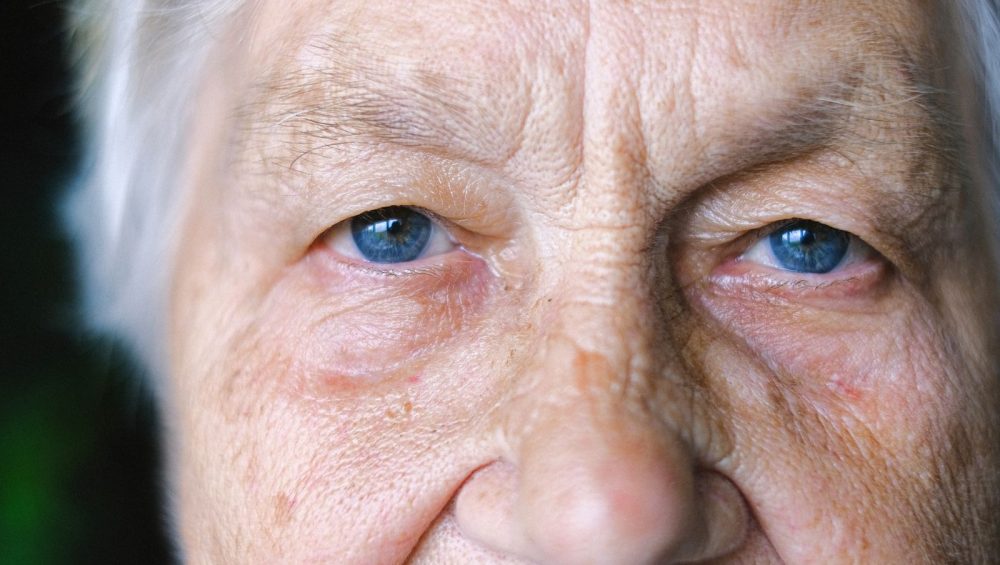
Short answer: A good eye product does real, modest things: it hydrates the thin skin around the eyes, softens the look of fine lines, and can make puffiness look less obvious for a while. It cannot correct every cause of dark circles, lift the eyelid or erase crow’s feet. The case for a dedicated eye product is that the skin there is particularly thin, has fewer oil glands than many other parts of the face, and sits next to your eyes, so it wants a formula made specifically for that area. Judge one by what it is made of, not by the size of the jar.
Eye creams are an argued-about category. Here is the plain, fair version.
Why the eye area is different
The skin around your eyes is particularly thin. It has fewer oil glands than many other areas of the face, which can contribute to dryness. It moves thousands of times a day as you blink, squint and smile. And it sits directly against the eye itself, which means anything you put there can migrate into it.
Those four facts explain most of what an eye product is for. Thin skin shows lines early and shows dryness fast. Fewer oil glands means it often benefits from moisture supplied from outside. Constant movement means the fine lines there are partly a record of expression, which no cream removes. And proximity to the eye means the formula should be gentler and less fragranced than the average face cream, with a texture that stays where you put it.
What an eye product can do
Hydrate. This is the main job and the one that shows fastest. Well-hydrated skin around the eyes looks smoother and the fine dry lines look less obvious, and hydration tends to be the first thing you notice.
Soften the look of fine lines. Over weeks, hydrating and smoothing ingredients, and in some products peptides or gentle retinoids, can improve the appearance of fine lines. The lines that come from expression will still be there when you smile. The ones that come from dryness can look noticeably better.
Reduce the look of puffiness, for a while. Cooling and lightly tightening ingredients can make morning puffiness look less obvious. The effect is temporary, and it is not the same as fixing whatever caused the fluid to gather.
What it cannot do
Fix every cause of dark circles. Under-eye darkness has several causes: thin skin showing blood vessels beneath it, pigment, dryness that makes the area look crepey and shadowed, and the shadow cast by the shape of the socket. A topical product can help with some of those. Hydration can improve the look of dryness-related darkness, and certain ingredients may improve the appearance of pigmentation over time. What no cream can do is correct every cause or change the anatomy underneath, so the result depends on why your circles are there.
Lift a drooping lid or tighten sagging. That is tissue that has moved. A cream is a cosmetic product. It can improve the appearance of firmness and smoothness; it cannot reposition anything.
Erase crow’s feet. These are expression lines. A cream can soften how they look when your face is at rest. It cannot remove them.
Anyone promising more than this is promising more than a topical product can deliver.
Do you need a separate product, or will face cream do?
Here is the fair answer. Some eye creams share many of their ingredients with a face cream. A gentle, fragrance-free face moisturizer will hydrate the eye area to a degree, provided it is light enough not to migrate into your eyes.
The case for a dedicated eye product is that it is specifically formulated for use around the eye area: often lower in fragrance and other potential irritants, often tested for use near the eyes, and often in a texture that stays put. That does not mean it is inert. Eye products may well contain active ingredients of their own, including peptides, retinoids or brightening ingredients; the difference is that they are formulated with the eye area in mind. It also gives you a reason to actually put something there, which many people forget to do with their face cream.
So: a dedicated eye product is not the only way to care for the area, and there are good reasons to use one. The product should be judged on its formula, not on the words “eye cream” on the label.
How to use one
Use a small amount. Tap it on with a light fingertip along the bone of the eye socket rather than right up to the lash line. Do not rub or drag; the skin here does not need the workout. Apply after serums and before your moisturizer or sunscreen, and let it settle before makeup. If you take it from a jar, use a clean spatula rather than a finger.
Victoria’s approach
Victoria Nash, founder of Esenté Skincare and Younger You Clinique, has been a licensed aesthetician since 2004 and is an experienced skincare educator. She draws on her professional experience at Younger You Clinique when evaluating skincare products and their performance.
The eye area gets its own attention in the Esenté range: the Eye Contour Complex, the Defining Eye Serum, the Defining Eye Silk, the DNA Eye Repair Gel, and sets such as the Perfect Eyes Set and the Youthful Eyes Set. Each is developed collaboratively by Victoria Nash with Esenté’s professional formulation and manufacturing partners, with Victoria providing product direction, ingredient research, professional-use feedback and performance requirements. Esenté recommends a clean cosmetic spatula for any product taken from a jar. If you are choosing between a gel and a cream for your own eye area, the Ask Victoria page is there to help.
Frequently asked questions
They hydrate the thin skin around the eyes, soften the look of fine dry lines, and can make puffiness look less obvious for a while. Those are real effects. They cannot correct every cause of dark circles, lift the lid or erase expression lines.
You can, if it is gentle, low in fragrance and light enough not to migrate into your eyes. A dedicated eye product is specifically formulated for use around the eye area and is usually tested for use near the eyes; it may contain active ingredients of its own.
It depends on the cause. Dark circles come from thin skin, visible blood vessels, pigment, dryness and shadow. Hydration can improve the look of dryness-related darkness, and some ingredients may improve the appearance of pigmentation over time. A topical product cannot correct every cause or change the anatomy underneath.
After serums and before moisturizer or sunscreen, morning and night, or whenever the product directs.
A small amount for both eyes. Tap it on lightly along the bone of the socket; do not rub.
There is no right age. The eye area dries out easily at any age, so hydrating it is sensible whenever you notice it feeling tight or looking lined.
About the author. Victoria Nash, founder of Esenté Skincare and Younger You Clinique, has been a licensed aesthetician since 2004 and is an experienced skincare educator.
Reviewed by Victoria Nash, licensed aesthetician and founder of Esenté Skincare & Younger You Clinique. This article is educational and is not medical advice. Ask your dermatologist or licensed skincare professional about products appropriate for your own skin and medical history.