

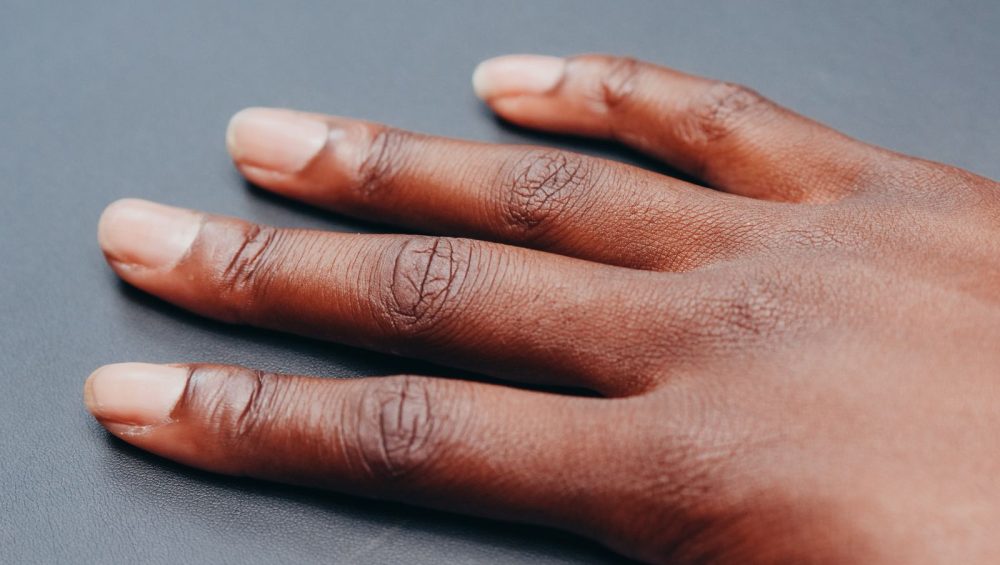
Short answer: Shea butter is a plant fat taken from the nuts of the shea tree. In skincare it works as an emollient: it softens and smooths dry skin and leaves a light film that helps skin hold on to moisture. Regular use helps maintain softer, smoother-feeling skin where it tends to dry out, such as hands, elbows, shins and heels. On the face, whether a product containing shea suits you depends on the complete formulation and your own skin, not on how rich it feels. Shea is a useful ingredient in the right formulation, and one ingredient is never the whole story.
It can make up most of a body butter or sit among many other ingredients in a face crème.
Where shea butter comes from
The shea tree grows across a broad band of Africa south of the Sahara. Its fruit holds a large nut, and the fat extracted from the kernel of that nut is shea butter. It is solid at room temperature and softens once it meets warm skin.
On an ingredient list you will usually see it as Butyrospermum Parkii (Shea) Butter, the first two words being an older botanical name for the tree.
What shea does on the skin
Shea is mostly fat, and most of that fat is made up of two fatty acids, stearic acid and oleic acid. That makes it an emollient. Emollients fill the small gaps between dry flakes at the surface, so skin feels softer and looks smoother.
Shea also has occlusive properties. It leaves a thin film that slows the evaporation of water from the surface.
You can see those effects where dryness is the problem: rough patches look smoother and tight skin feels more comfortable. Regular use helps maintain softer, smoother-feeling skin, and an appropriate amount used consistently does more than an occasional thick layer. Humectants, Emollients and Occlusives explains how the three kinds of ingredient share the work in a moisturizer.
Where it fits: body, hands and heels
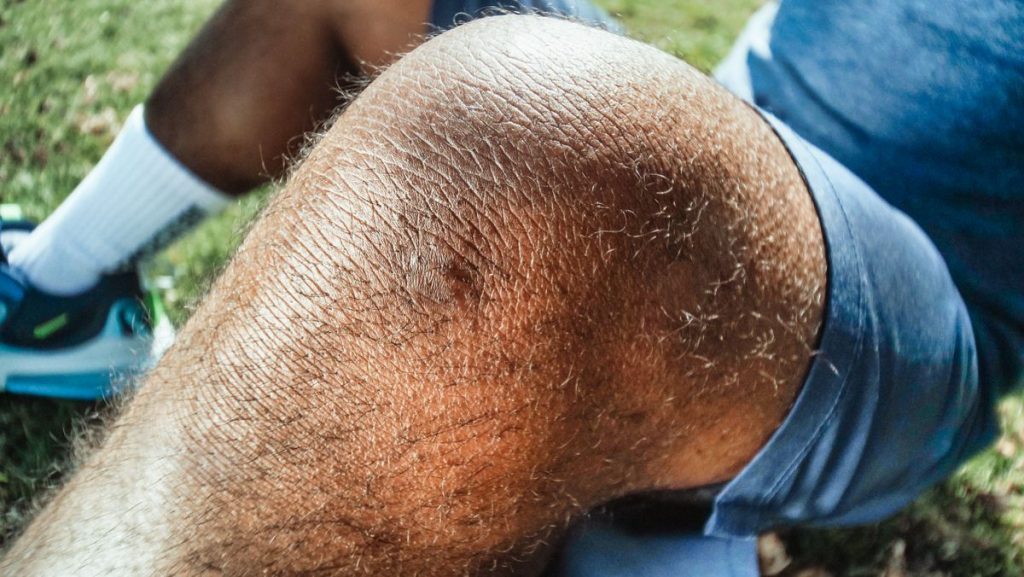
Many areas of body skin, including the shins and the backs of the hands, have fewer oil glands than the face and tend to dry out more easily. Elbows, knees and heels add pressure and friction.
Apply a body moisturizer to clean skin, following the product’s directions. Use clean fingertips, and take product from an open jar with a clean spatula. Why Hands Can Show Age So Easily covers hand care, and Does Your Body Need a Skincare Routine Too? sets out a simple routine for the rest.
Rough, flaky areas may also benefit from gentle exfoliation, used according to the product’s directions and at an interval that suits your skin. Keep it to intact skin, and skip it on skin that is cracked, irritated or sore. Deep, painful or bleeding cracks, and any foot concerns for people with diabetes or circulation problems, belong with a doctor. Dry Elbows, Knees and Heels goes into those areas in detail.
On the face, the formulation decides
You will often read that shea, or any rich-feeling ingredient, clogs pores. As a rule, that does not hold. Whether a finished product suits your face depends on the complete formulation: which ingredients are in it, in what amounts, and how they have been put together. It also depends on your skin.
A body butter made mostly of shea and a face crème that includes shea among many other ingredients are different products. Richness does not tell you whether a product will leave you congested. If you want shea in your facial routine, look for it in a product designed for the face.
Shea and tree nut allergy
Shea butter comes from the nut of a tree. If you have a tree nut allergy, or any other concern about shea, ask your doctor before using products that contain it.
Any ingredient can bother someone. If you have known sensitivities, check the complete ingredient list of a product, not only its key ingredients. Informed product selection comes first, and for particularly reactive skin a small test in an area that makes sense for the product’s intended use is an additional precaution. How to Patch Test a New Product explains when that helps.
Storing shea products
Plant fats can change over time with heat, light and air. Store shea products in a cool, dry place away from direct light and excessive heat or humidity, following the manufacturer’s directions. If a product has significantly changed, separated or developed an unusual odor, stop using it or check with the manufacturer.
Victoria’s approach
Victoria Nash, founder of Esenté Skincare, has been a licensed aesthetician since 2003. She also owns and operates Younger You Clinique and is an experienced skincare educator. She draws on her professional experience at Younger You Clinique when evaluating skincare products and their performance. Victoria believes consumers should be able to understand not only what is in a skincare product, but why important ingredients have been included. Natural and botanically derived ingredients are an important part of Esenté’s formulation philosophy, but ingredients are selected for their suitability and contribution to the complete formulation rather than for a natural label alone.
For the body, Esenté’s range includes the Shea Butter Ultra Rich Hydra Crème, a body crème, and the Shea Butter Exfoliating Body Polish, a body polish to use according to its directions and only on intact skin. They are examples, and other Esenté formulations may suit dry body skin, depending on your regimen. The Shea Butter Ultra Rich Hydra Crème comes in a jar, so take it out with a clean spatula. Esenté works with boutique manufacturers to develop and select formulations that meet the brand’s ingredient, performance and quality criteria. If you want a view on where shea belongs in your routine, send your question through the Ask Victoria page.
Frequently asked questions
It can be part of a face product that suits you. That depends on the complete formulation of the product and on how your skin responds, not on shea alone. Choose products designed for the face and judge each one on its full ingredient list and directions.
There is no rule that it does. A rich feel does not tell you whether a product will leave you congested. That depends on the complete formulation, the amounts involved and your own skin. If a product seems to disagree with your skin, stop using it.
Shea butter comes from the nut of a tree, so ask your doctor before using it if you have a tree nut allergy or any concern about shea.
Apply it to clean skin with clean fingertips, following the product’s directions. Regular use helps maintain softer, smoother-feeling skin.
Plant fats can change over time with heat, light and air. If a product has significantly changed, separated or developed an unusual odor, stop using it or check with the manufacturer.
About the author. Victoria Nash, founder of Esenté Skincare, has been a licensed aesthetician since 2003. She also owns and operates Younger You Clinique and is an experienced skincare educator.
Reviewed by Victoria Nash, licensed aesthetician, founder of Esenté Skincare and owner of Younger You Clinique. This article is educational and is not medical advice. Ask your dermatologist or licensed skincare professional about products appropriate for your own skin and medical history.