


Short answer: Use enough to give all exposed skin a generous, even layer: apply generously and evenly according to the product’s label directions. The SPF on the label was measured at a set, generous amount, and applying too little can reduce protection. Reapplying also follows the label. US sunscreen labels say to reapply at least every two hours, and water resistant products add directions for swimming, sweating and towel drying. SPF is not a measure of time, and applying more in the morning does not replace reapplying later in the day.
Amount and timing do as much of the work as the number on the front.
Why the amount matters
The SPF number comes from a laboratory test that applies sunscreen at a set, generous amount and spreads it as evenly as possible. Many people apply less than that in everyday life.
Applying too little can reduce protection, so a thin layer of SPF 30 gives you less than the protection that number describes. Choosing a higher SPF does not make up for applying too little.
How much is enough
Follow the label. Apply generously and evenly according to the product’s label directions. US sunscreen labels say to apply “liberally” or “generously”, and some add “evenly”. Cover all the skin that will be exposed to the sun, not only the face.
Why the label is your guide. Sun-safety organizations describe the quantity for the face and body in different ways, so the label of the sunscreen you are using is your guide. Larger bodies need more product.
Timing. Label directions say to apply 15 minutes before sun exposure, and dermatology guidance says to apply sunscreen to dry skin.
When to reapply
SPF is not a timer. SPF 30 does not mean 30 minutes of protection, or 30 times longer in the sun. Reapplication follows the label, whatever the number.
At least every two hours. US sunscreen labels say to reapply at least every two hours. A higher SPF does not stretch the interval, and a thicker morning layer does not replace reapplying.
After swimming or sweating. A water resistant sunscreen is labeled water resistant (40 minutes) or water resistant (80 minutes) and tells you to reapply after that much swimming or sweating. A product that is not water resistant tells you to use a water resistant sunscreen if you will be swimming or sweating.
Immediately after towel drying. Water resistant labels list this separately.
After washing your hands. Frequent washing can leave the backs of the hands without the protection you applied in the morning, so reapply there before you head back into the sun. Why Hands Can Show Age So Easily explains why hands collect so much sun.
Match it to your day. Reapplication depends on your sun exposure and the label, not on whether the day counts as an indoor one. If you will be outdoors, driving or sitting by a sunny window for long periods, follow the label’s directions for reapplying. Do You Need Sunscreen Every Day? covers the everyday habit.
The places people miss
Commonly missed places include:
- The ears, front and back.
- The back and sides of the neck.
- The top of the head, especially along a parting or where hair is thin.
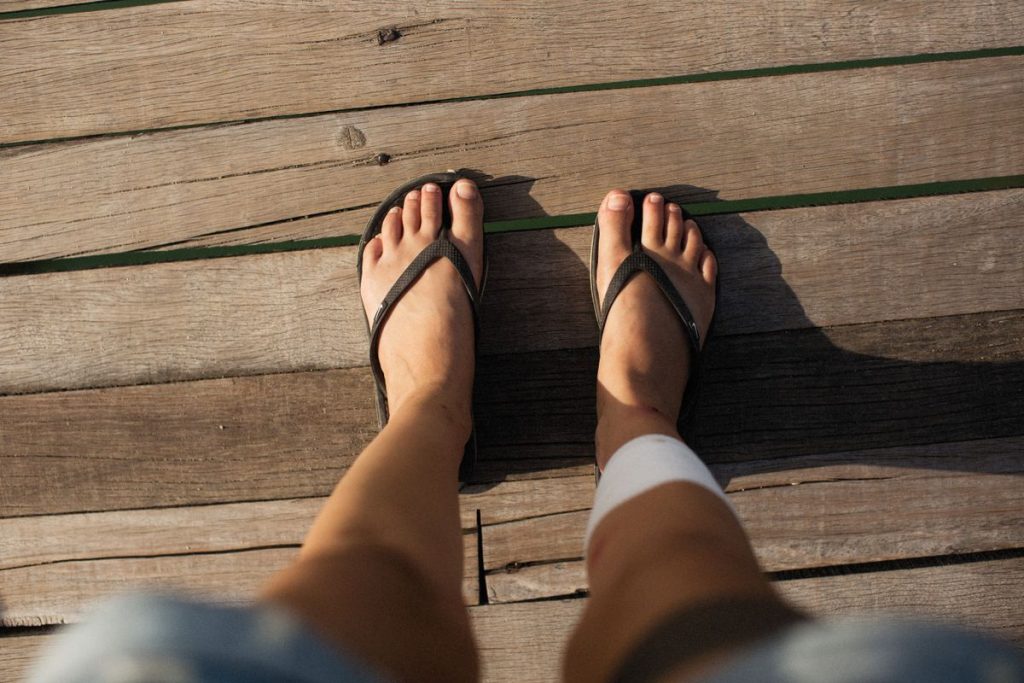
- The tops of the feet.
- The backs of the hands.
- The lips, which need a lip product labeled with an SPF; dermatology guidance suggests SPF 30 or higher.
The hairline and the chest above a neckline are easy to miss too. Crepey Skin on the Neck and Décolleté explains why that skin shows sun so readily.
Keeping it working
Store it out of the heat. Sunscreen labels direct you to protect the product from excessive heat and direct sun, so a hot car or a sunny windowsill is not the place for it.
Check the date. Use a sunscreen before its expiration date. FDA advises that a sunscreen without an expiration date should be considered expired three years after purchase. If a product has separated, changed color or developed an unusual odor, stop using it or check with the manufacturer.
Make reapplying easy. Keep a sunscreen where you will need it, away from direct sun. What SPF Measures, and What It Does Not explains why a high number is no reason to skip the next application.
Victoria’s approach
Victoria Nash, founder of Esenté Skincare, has been a licensed aesthetician since 2003. She also owns and operates Younger You Clinique and is an experienced skincare educator. She draws on her professional experience at Younger You Clinique when evaluating skincare products and their performance. The backs of the hands feature in Victoria’s own routine. She applies daily broad-spectrum sunscreen to the backs of her hands, and when driving she wears lightweight white linen gloves to help reduce continued sun exposure. That is her own preventive practice rather than a requirement for everyone.
Esenté offers two sunscreens: Derma-Defense SPF 30 in the Legacy Skincare collection and Derma Defense Z-Cote SPF30 in the Elite Skincare collection. Both are labeled Broad Spectrum SPF 30. They are examples among many suitable sunscreens, chosen for your skin, preferences and budget. How much to apply and when to reapply are on the label, so follow the directions for whichever you choose. The Ask Victoria page is there if you have a question about fitting reapplication into your day.
Frequently asked questions
Apply generously and evenly according to the product’s label directions, and remember the ears and neck as well as the face. The SPF was measured at a generous, even layer, and applying too little can reduce protection. If you are unsure how much your sunscreen needs, ask your dermatologist.
At least every two hours, according to the directions on US sunscreen labels. Water resistant products also say to reapply after 40 or 80 minutes of swimming or sweating, as stated on the label, and immediately after towel drying.
No. SPF measures how much protection a properly applied layer gives against sunburn, not how long it lasts. SPF 30 does not mean 30 minutes, or 30 times longer in the sun. Reapply as the label directs, whatever the number.
No. Applying more does not replace reapplication, because sunscreen rubs, sweats and washes off over the day. Apply a generous, even layer, then reapply, as the label directs.
It depends on your sun exposure. If you go outside, drive or sit by a sunny window for long periods, follow the label’s directions for reapplying. Your day and the label decide when the next application is due.
For a limited time. A water resistant sunscreen has been tested for 40 or 80 minutes of swimming or sweating, and the label tells you which. All sunscreens eventually wash off, so reapply after that time and immediately after towel drying.
About the author. Victoria Nash, founder of Esenté Skincare, has been a licensed aesthetician since 2003. She also owns and operates Younger You Clinique and is an experienced skincare educator.
Reviewed by Victoria Nash, licensed aesthetician, founder of Esenté Skincare and owner of Younger You Clinique. This article is educational and is not medical advice. Ask your dermatologist or licensed skincare professional about products appropriate for your own skin and medical history.