

Short answer: Look for a current license, solid experience and someone who listens. Your state board can confirm whether an aesthetician’s license is current. A good first appointment starts with questions about your skin, routine, medications and goals, and the care that follows is chosen for you. Hygiene should match the tool and the procedure. Product suggestions should come with reasons, respect your budget and leave the decision with you. Meaningful visible improvement is a reasonable goal, and a good aesthetician will talk about it honestly, without guaranteed or unsupported promises.
Much of this can be checked on a first visit.
Check the license
In the United States, aestheticians are licensed at the state level. In Arizona, for example, the Arizona Barbering and Cosmetology Board licenses aestheticians, along with nail technicians, cosmetologists, hairstylists and barbers.
Many practitioners display their license, and your state board can confirm that it is current. Titles vary, so check the license itself rather than a job title. What an aesthetician may do under that license is also set by the state, and What Aestheticians Can and Cannot Legally Do explains how that works.
Experience and a practitioner who listens
A license is the starting point. Experience matters too: ask how long the practitioner has been practicing and how often they perform the treatment you are considering.
Listening matters as much. A good first appointment starts with questions, on a form, in conversation, or both. Expect to be asked about:
- what you would like from the appointment
- your current routine, including any retinoid or exfoliating formulations
- prescription skincare or other medications
- allergies and past reactions to skincare
- recent procedures and recent sun exposure
- whether your skin is currently irritated, sunburned or sore
Your answers shape what is appropriate on the day. If you are not asked, offer the information anyway.
Hygiene that matches the tool and the procedure
Cleaning, disinfection and sterilization are different steps. Cleaning removes visible soil, disinfection uses chemicals to kill most germs that can cause infection, and sterilization destroys all forms of microbial life. A tool that has only been cleaned is not the same as one that has also been disinfected, and the step a tool needs depends on what it is and how it is used.
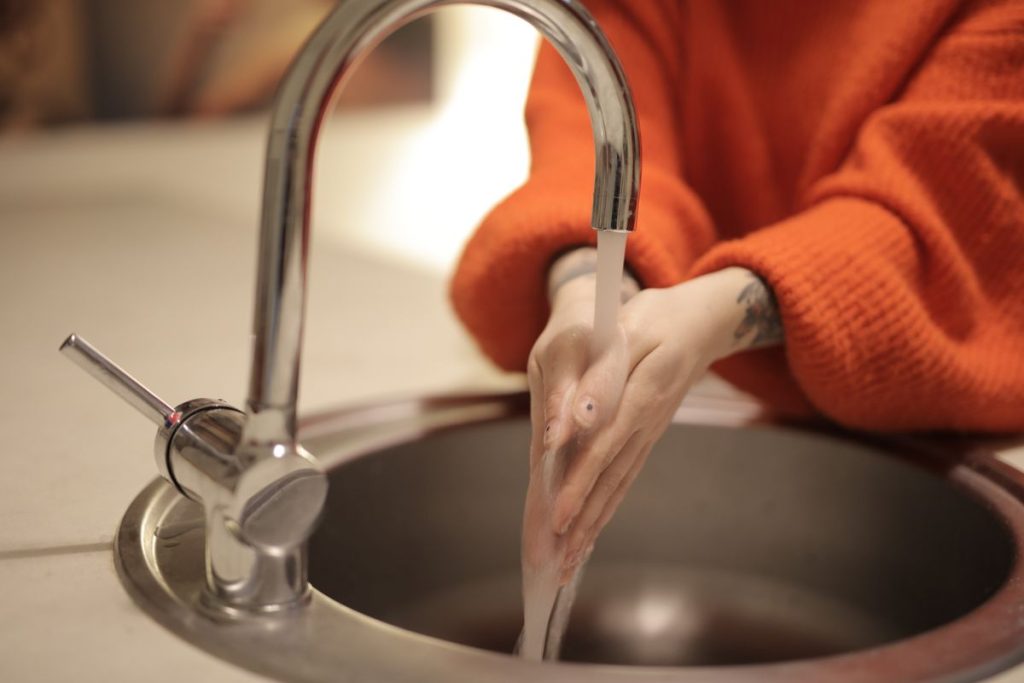
Each state sets its own rules. Arizona’s barbering and cosmetology rules, for example, require hand washing before each client and clean linens for each client. Reusable non-electrical tools are cleaned, rinsed, dried and then fully immersed in an EPA-registered disinfectant, and electrical equipment is disinfected before each use. Items that cannot be disinfected, such as cotton pads and sponges, are thrown away after use. Lancets used to release trapped oil and debris from a follicle must be pre-sterilized and disposable. When only part of a product is used, it must be removed without contaminating the rest, which is the idea behind The Spatula Rule.
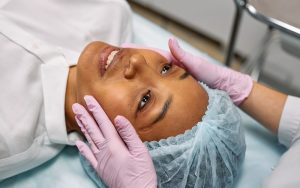
On gloves, Arizona’s rules require clean, fluid-proof, single-use protective gloves during any service where bodily discharge is present or likely to occur because of the service, with the gloves discarded after use. That rule covers the services the board licenses, including nail services. Massage therapy is regulated by a separate board. If you are unsure how tools are cleaned and disinfected, ask; a good practitioner will welcome it.
A clear account of the treatment
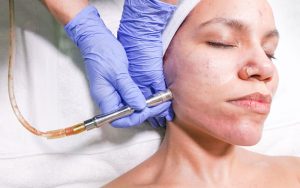
Before a treatment starts, you should know what it involves, how your skin may look afterward and what aftercare to follow. What Happens in a Professional Facial? describes the possible components, so you know what to ask about.
A good aesthetician is also clear about limits. Aestheticians do not diagnose skin conditions. If they notice something that needs a medical opinion, the right response is to suggest you see a doctor or dermatologist. Some procedures are allowed under an aesthetics license in some states and not others, as Microdermabrasion, Dermaplaning and Dermabrasion: What Is the Difference? explains.
Recommendations without pressure, within your budget
Suggesting products for home use is a normal part of the job, and a useful recommendation explains what the product is for, why it suits your skin and how it fits with what you already use. It respects your budget and leaves you free to say no or to think it over. Good care does not depend on buying the most expensive products. A good aesthetician will also explain which products used in a treatment are professional-only and which you could use at home.
Realistic, encouraging expectations
Professional treatments and a suitable home routine can bring meaningful visible improvement in how skin looks, and it is reasonable to hope for that. A good aesthetician will describe what a treatment can help with and what depends on your own skin. The thing to watch for is a guaranteed or unsupported promise.
Victoria’s approach
Victoria Nash, founder of Esenté Skincare, has been a licensed aesthetician since 2003. She also owns and operates Younger You Clinique and is an experienced skincare educator. She draws on her professional experience at Younger You Clinique when evaluating skincare products and their performance. Victoria believes informed product selection comes first: before introducing a new skincare product, understand what it is intended to do, whether it is appropriate for your skin, how it should be used and what ingredients it contains. She respects her clients’ budgets, values effective affordable options and leaves the spending decision to the client.
At Younger You Clinique, professional-strength peels and exfoliating treatments are among the products reserved for professional use. Many of the other skincare products used during treatments are also available for appropriate home use. During treatments, Victoria wears gloves throughout and changes them as appropriate between treatment steps to help maintain careful hygiene and avoid cross-contamination. That is part of her own protocol and is not a description of what every practitioner does. If you have a question about a treatment or a recommendation you have been given, the Ask Victoria page is open.
Frequently asked questions
Ask to see the license. Your state’s licensing board can confirm whether it is current.
Ask about their experience with it, what it involves, what your skin may look like afterward, what aftercare to follow and how tools are cleaned and disinfected.
No. Aestheticians can describe what they observe and suggest you see a doctor or dermatologist.
No. A good recommendation explains what a product is for and why it suits your skin, respects your budget and leaves the decision with you.
It depends on the state and the service being performed. Arizona’s rules, for example, require clean, single-use protective gloves during services where bodily discharge is present or likely. Victoria chooses to wear gloves throughout her treatments and changes them as appropriate between treatment steps as part of her own hygiene protocol.
Skipping the consultation, visible lapses in hygiene, vague answers about the treatment or the practitioner’s license, guaranteed or unsupported promises, and pressure to buy.
About the author. Victoria Nash, founder of Esenté Skincare, has been a licensed aesthetician since 2003. She also owns and operates Younger You Clinique and is an experienced skincare educator.
Reviewed by Victoria Nash, licensed aesthetician, founder of Esenté Skincare and owner of Younger You Clinique. This article is educational and is not medical advice. Ask your dermatologist or licensed skincare professional about products appropriate for your own skin and medical history.