
Short answer: Bacteria, yeast and mold need water to grow, and most creams, lotions, serums and toners contain water. Every time you open a product, hands, air and a steamy bathroom give microbes a way in. Preservatives are there to help keep a product in good condition from the first day you open it to the last. “Preservative-free” is not automatically better: a product without preservatives usually solves the problem another way, such as containing no water, single-use packaging or a shorter life. Good preservation is part of good formulation, and your own habits decide how much work it has to do.
Preservatives are usually listed toward the end of an ingredient list, well below the ingredients a product is known for.
What preservatives are for
A product that contains water is a hospitable place for microorganisms. Once it is opened, it meets hands, air, water from a wet hand and the warmth of a bathroom.
Preservatives are ingredients that keep that microbial growth in check over the life of the product. Preservation is how a water-containing formulation stays usable through weeks or months of ordinary use. Products that contain no water are less hospitable to microbes, although they are not immune to contamination.
What “preservative-free” usually means
A product labeled “preservative-free” still has to stay in good condition once opened. It usually does that another way:
- No water in the formulation. Many balms and oil-based products contain no water.
- Packaging that limits contact. Single-use packaging, or a pump or airless container, can help limit contamination and the formulation’s exposure to air and light. Airless packaging alone does not establish that a water-containing product can safely go without preservatives.
- A shorter life. Some products are made to be used up quickly, or come with storage instructions such as refrigeration.
“Preservative-free” describes one choice about how a product is protected, not a measure of how gentle or how good it is.
The same goes for any “free-from” label naming a particular preservative. “Paraben-free” tells you which preservatives are not in the product. It does not tell you what is used instead, or how well the product is preserved.
Preservatives on an ingredient list
You will usually find preservatives toward the lower part of an ingredient list, because they tend to be used at low levels. Names you may see include phenoxyethanol, sodium benzoate and potassium sorbate.
Seeing a preservative on the list tells you the formulation has one, which is what you would expect of a water-containing product. It is not a warning sign. If you know you react to a particular preservative, check the full ingredient (INCI) list, not only the key ingredients. How to Read a Skincare Ingredient List explains how the list is ordered.
Your part: fewer microbes in, less work for the preservative
Preservatives are designed to handle normal use. They are not designed for unlimited contamination, and your habits make a difference.
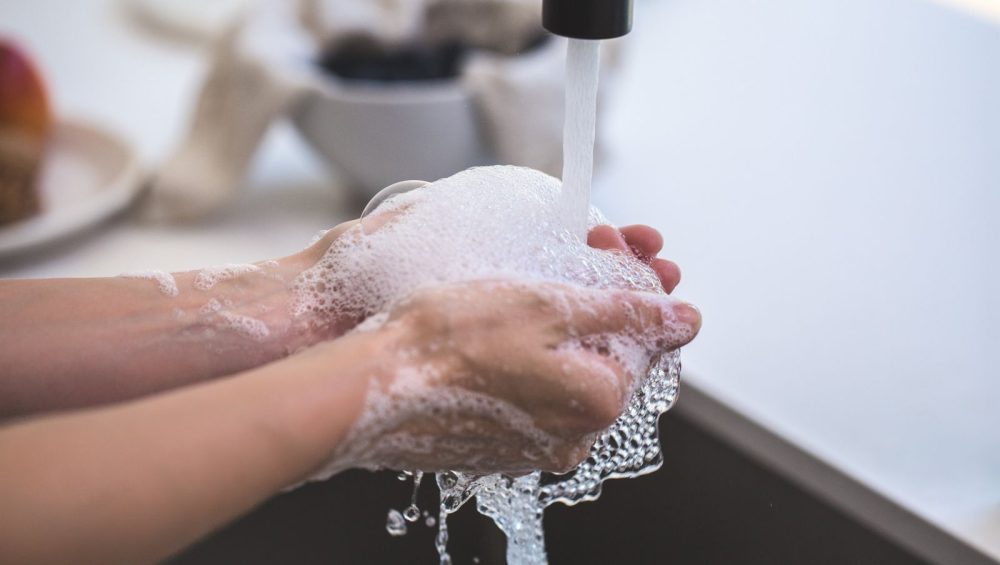
Wash your hands first. The FDA advises washing your hands before applying cosmetic products. Apply leave-on products with clean fingertips.
Use a spatula for open jars. Take product out of an open jar with a clean cosmetic spatula, never with your fingers. Use what you take out, and do not put leftover product back. The Spatula Rule covers the habit in detail.
Do not add water. The FDA warns against adding water or saliva to cosmetics such as mascara. It can introduce microorganisms, and it waters down the preservatives meant to keep them from growing.
Close it and store it well. Close containers after use. Store products in a cool, dry place away from direct light and excessive heat or humidity, following the manufacturer’s directions. The Bathroom Is the Worst Place to Store Skincare explains why a warm, steamy room is a poor choice.
Do not share. The FDA advises against sharing cosmetics, because you may be sharing germs.
Packaging does a different job
Preservatives address microbes. Light and air are two further problems with two separate answers. An airless pump principally addresses air. Violet glass principally addresses light. Packaging can help limit contamination and exposure to air and light, but it does not replace preservation in a water-containing formulation. No packaging keeps air out completely once a container has been opened.
Esenté’s Elite line uses Miron violet glass packaging designed to help protect formulations from excessive light exposure. The complete packaging system, including the container and its closure or dispenser, also plays a role in protecting the formulation during storage and use. The Miron violet glass page has more on how that glass works.
When a product has changed
If a product has significantly changed, separated or developed an unusual odor, stop using it or check with the manufacturer. A change does not always mean a product has spoiled, and the absence of a change does not guarantee it has not. A product that still looks and smells fine is not a reason to use it beyond its stated shelf life or period after opening. How Long Skincare Lasts After Opening covers the period-after-opening symbol and what it means.
Victoria’s approach
Victoria Nash, founder of Esenté Skincare, has been a licensed aesthetician since 2003. She also owns and operates Younger You Clinique and is an experienced skincare educator. She draws on her professional experience at Younger You Clinique when evaluating skincare products and their performance. Victoria recommends clean hands, and a clean cosmetic spatula for anything taken from an open jar, as good hygiene practice. She also believes consumers should be able to understand not only what is in a skincare product, but why important ingredients have been included. Esenté’s website gives both the key ingredients and the full INCI list for every product, so you can check for a preservative you know you react to. If you have a question about looking after a product once it is open, the Ask Victoria page will take it.
Frequently asked questions
Most contain water, and bacteria, yeast and mold need water to grow. Once a product is opened, hands, air and a steamy bathroom give them a way in. Preservatives keep that growth in check so the product stays usable through its life.
Not automatically. A preservative-free product usually protects itself another way, such as containing no water, using single-use or airless packaging, or having a short life. It describes one choice about protection, not a measure of gentleness or quality.
It means the product does not contain parabens, one group of preservatives. It does not tell you what preservative is used instead, or how well the product is preserved. Like any “free-from” label, it describes what is absent.
Wash your hands first, use a clean spatula for open jars, apply with clean fingertips, never add water, close containers after use and store products in a cool, dry place away from direct light and excessive heat or humidity, following the manufacturer’s directions.
If it has significantly changed, separated or developed an unusual odor, stop using it or check with the manufacturer. Do not add anything to it to try to fix it.
About the author. Victoria Nash, founder of Esenté Skincare, has been a licensed aesthetician since 2003. She also owns and operates Younger You Clinique and is an experienced skincare educator.
Reviewed by Victoria Nash, licensed aesthetician, founder of Esenté Skincare and owner of Younger You Clinique. This article is educational and is not medical advice. Ask your dermatologist or licensed skincare professional about products appropriate for your own skin and medical history.