
Short answer: Most moisturizers combine three kinds of ingredient. Humectants, such as glycerin and hyaluronic acid, attract and hold water. Emollients, such as squalane and fatty alcohols, smooth and soften the surface. Occlusives, such as petrolatum and waxes, form a layer that slows water loss. Plenty of ingredients do more than one of these jobs. The balance between them shapes how a moisturizer feels, and texture is worth noticing, but texture alone does not establish who the product suits. That depends on the complete formulation and on your skin.
Once you know the three jobs, an ingredient list starts to make sense.
Three jobs inside one moisturizer
Your skin loses water to the air all the time. A moisturizer is designed to help the surface hold on to more of it, and to make the skin feel smoother while it does.
It does that with a mix of ingredients working at the skin’s surface layers. Some pull water toward the surface. Some fill the tiny gaps between surface cells so skin feels soft. Some sit on top and slow evaporation. Chemists call these humectants, emollients and occlusives, and most moisturizers use all three in some proportion.
Humectants: drawing water in
A humectant attracts and binds water. Glycerin is a common one. Hyaluronic acid, often listed as sodium hyaluronate, is another, and urea is a third you may see.
A humectant holds water at the surface, which is why skin can look plumper and feel softer soon after you apply one. On its own, though, it cannot stop that water from evaporating again, particularly in dry air. That is one reason humectants usually share a formulation with the other two groups. Hyaluronic Acid Is Not a Moisturizer goes further into that one ingredient.
Emollients: smoothing the surface
An emollient fills the spaces between the cells at the surface, so skin feels smoother and looks less flaky. Squalane, plant butters such as shea butter, esters and fatty alcohols all do this.
“Fatty alcohol” catches people out. Ingredients such as cetyl alcohol and cetearyl alcohol are waxy fatty alcohols. They are a different group from the drying alcohol some people try to avoid in a toner.
Lipids of the kind found in the skin itself, such as ceramides, are often grouped with this family too. What Are Ceramides? explains where they fit.
Occlusives: slowing water loss
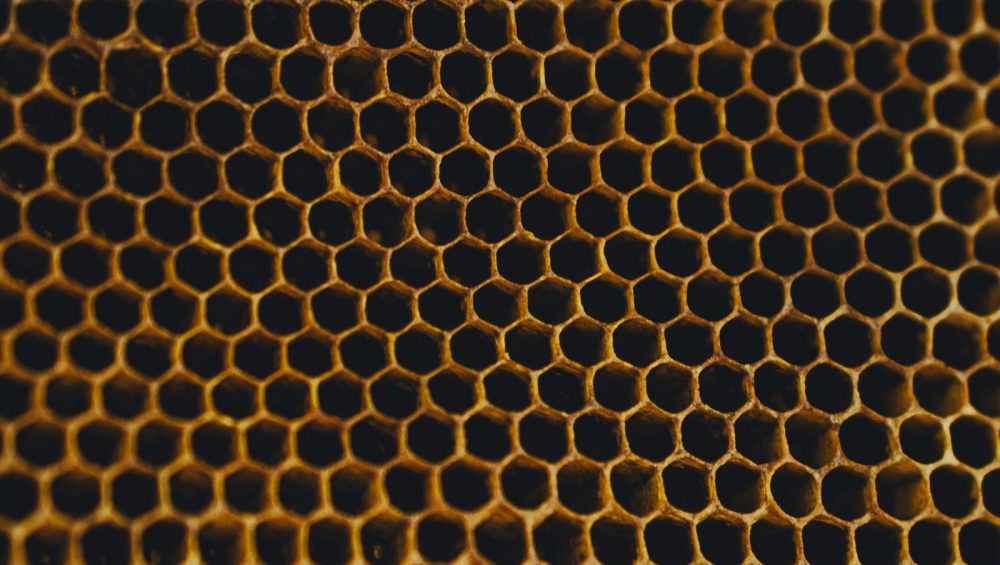
An occlusive forms a thin layer on the skin that slows how fast water leaves it. Petrolatum is the classic example. Mineral oil, dimethicone, lanolin and waxes such as beeswax also work this way.
An occlusive does not add water. It slows the loss of water that is already there.
Many ingredients do more than one job
The three groups are a way of understanding a formulation, not three separate boxes. Shea butter is often described as softening the surface while also forming a light layer over it. Dimethicone is often described as both an emollient and an occlusive.
So do not try to score a moisturizer by counting ingredients from each group. A formulator balances them, alongside everything else in the product, for a particular purpose.
Texture matters, but it does not settle suitability
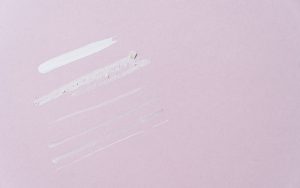
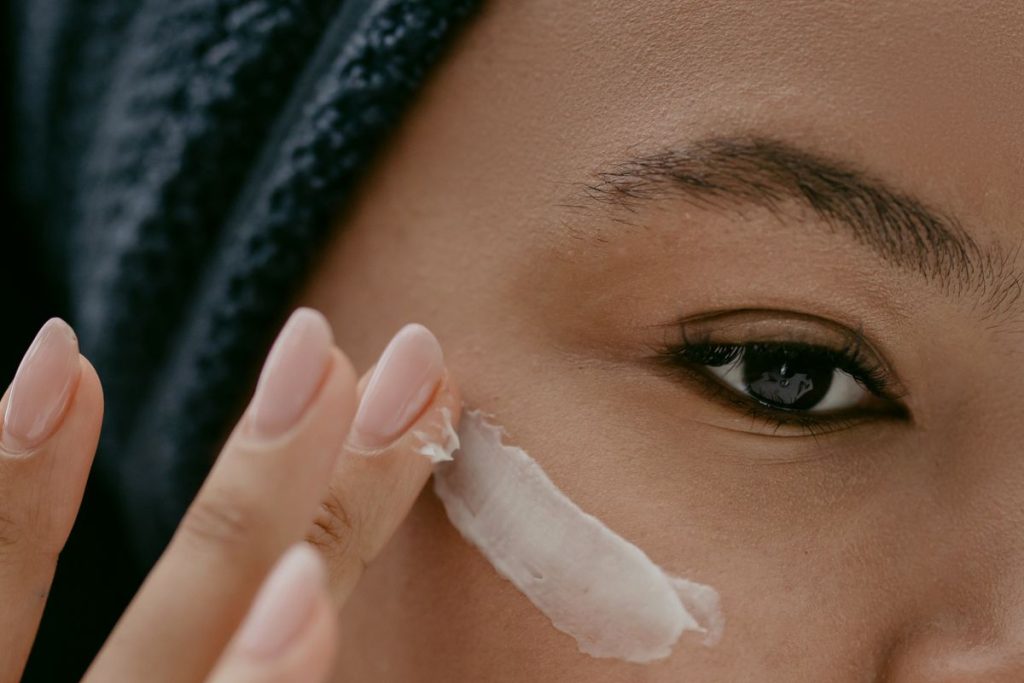
A formulation heavy in occlusives often feels richer. One built mostly on humectants and light emollients often feels lighter. Texture is useful information. It tells you how a product spreads and feels, and a moisturizer you enjoy using is easier to use consistently.
Texture alone does not establish who a product suits. A rich feel does not prove a product will clog pores, and a light feel does not prove it is mild. How a moisturizer suits your skin depends on its complete formulation, the specific ingredients and how they are combined, and on your own skin. A label term such as “non-comedogenic” cannot settle the question for you either. Lotion, Cream, Gel or Balm looks at formats, and Choosing a Moisturizer for Mature Skin covers selection in more depth.
The better starting point is informed selection. Know what the product is intended to do, whether it is appropriate for your skin, how to use it and what it contains.
When and how to apply it
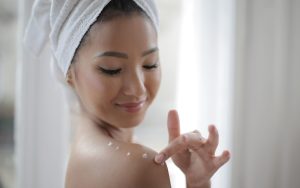
Apply moisturizer to clean skin. A sensible order is to cleanse, then use an appropriate toner or mist, then a serum, then moisturizer, each according to the individual product’s directions. Add daytime sun protection in the morning.
Use clean fingertips. If the moisturizer comes in a jar, take out what you need with a clean spatula rather than dipping your fingers in.
Use the amount the directions suggest. More product, or more frequent use, does not produce faster or better results, and a thick layer can leave skin feeling heavy.
Victoria’s approach
Victoria Nash, founder of Esenté Skincare, has been a licensed aesthetician since 2003. She also owns and operates Younger You Clinique and is an experienced skincare educator. She draws on her professional experience at Younger You Clinique when evaluating skincare products and their performance. She believes informed product selection comes first. Her “less is best” approach is about using the appropriate amount of each product, as often as its directions say. Leave-on products go on with clean fingertips, following each product’s directions.
Esenté’s moisturizers include the Hydra Day Crème, the Hydra-Plus Night Crème and the Hyaluronic Hydration Crème. Each comes in a jar, so use a clean spatula. These are examples, and other Esenté formulations may suit your skin depending on your regimen. This article describes ingredient groups, not the formulations of these products, so if you have known sensitivities, check each product’s complete ingredient list on the Esenté website and follow its directions. Esenté works with boutique manufacturers to develop and select formulations that meet the brand’s ingredient, performance and quality criteria. Not sure which suits you? Ask on the Ask Victoria page.
Frequently asked questions
A humectant attracts and holds water at the skin’s surface. An occlusive forms a layer that slows water from evaporating. Most moisturizers use both, because a humectant alone cannot stop water from leaving again, particularly in dry air.
Petrolatum is a common occlusive. Whether a product containing it suits you depends on the complete formulation and on your skin, not on that one ingredient. A rich feel is not proof that a product will clog pores.
Squalane, plant butters such as shea butter, esters and fatty alcohols such as cetyl alcohol. Emollients fill the spaces between surface cells so skin feels smoother. Some are also described as forming a light layer over the skin.
Most moisturizers already combine them, in proportions chosen by the formulator. You do not need to count ingredients from each group. Choose a product whose intended use matches your skin, and judge it by how your skin responds with consistent use.
Apply it to clean skin, after cleansing and any toner, mist or serum you use, each according to the individual product’s directions. Add daytime sun protection in the morning.
About the author. Victoria Nash, founder of Esenté Skincare, has been a licensed aesthetician since 2003. She also owns and operates Younger You Clinique and is an experienced skincare educator.
Reviewed by Victoria Nash, licensed aesthetician, founder of Esenté Skincare and owner of Younger You Clinique. This article is educational and is not medical advice. Ask your dermatologist or licensed skincare professional about products appropriate for your own skin and medical history.