
Short answer: Aircraft cabin air is typically very dry, and a long flight keeps your skin in it for hours. Tight skin, flaking and chapped lips are common afterward. A few portable habits can help your skin feel more comfortable: start with clean skin and products you already know, look after your face, lips and hands during the flight, go easy on alcohol, and cleanse thoroughly before bed when you arrive. These steps will not prevent all travel dryness, so let the climate you land in, and how your skin feels, guide what comes next.
A few hours in very dry air is enough for your skin to notice.
Why cabin air dries skin
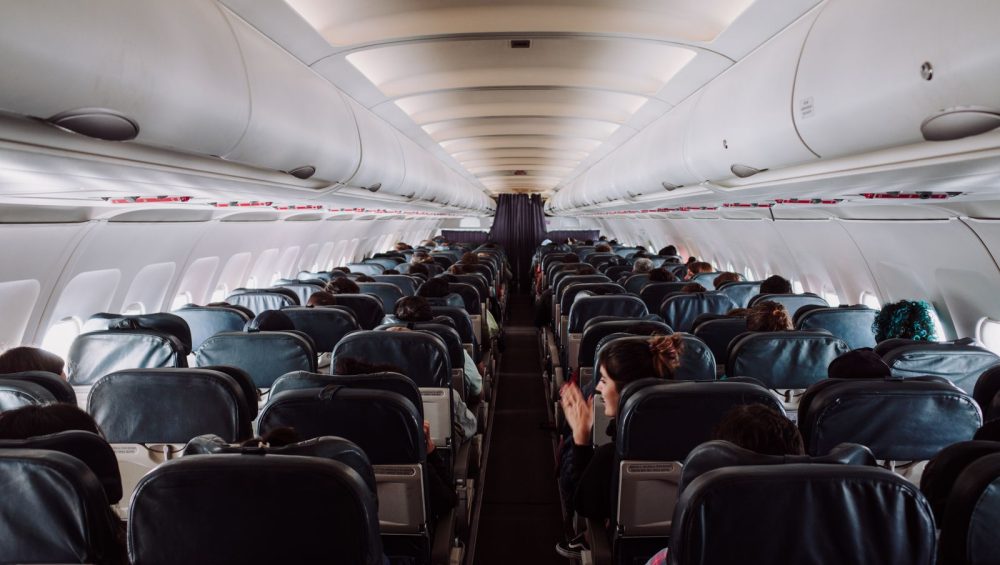
The air in an aircraft cabin is typically dry. The CDC’s guidance for travelers puts it usually at 10 to 20 percent humidity, and notes that it can dry the eyes and the upper airway. Your skin sits in the same air.
Water leaves exposed skin faster when the air holds little moisture, and on a long flight your face, lips and hands are uncovered for hours.
Lips and hands often feel it first. Lips lose water faster than the skin of your cheek and hold less of it at the surface. Hands tend to be washed or sanitized more often when you travel, and frequent washing and hand sanitizer can both leave hands dry.
Before you board
Start with clean skin. Cleanse gently before you leave, or as close to departure as you can.
Pack products you already know. A travel day is a poor time to try something new. Know what each product is for, whether it suits your skin and how to use it before it goes in your bag.
Prepare for the cabin environment. Apply the skincare and makeup you normally find comfortable for travel, and carry suitable products that can be used during the flight according to their directions.
During the flight
Look after face, lips and hands. Reapply a suitable hand cream when your hands feel tight, and use an appropriate lip product for your lips rather than your facial moisturizer. Clean your hands before you touch your face or a product, and moisturize them after using hand sanitizer.
Go easy on alcohol. Alcohol increases urination and fluid loss. UK aviation guidance for passengers also notes that drinking a lot of alcohol, tea or coffee can add to the dry feeling many people have after a flight. Limiting alcohol during the flight and keeping water within reach is a sensible, moderate habit.
Sun and the window seat
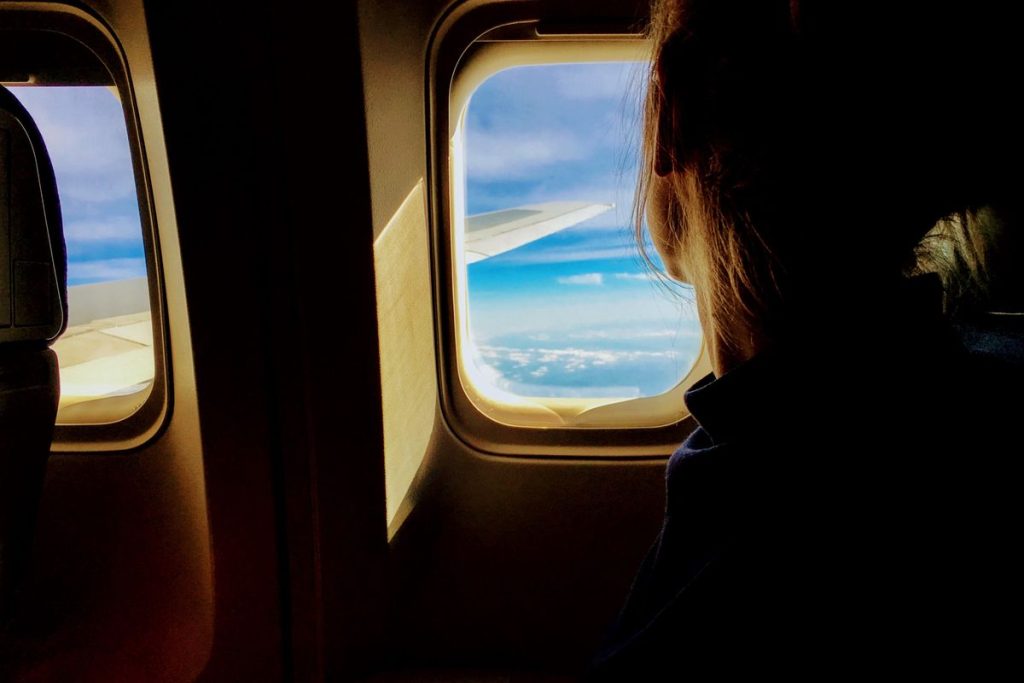
Most research on UV inside aircraft has looked at the cockpit, where the amount of UVA passing through the windshield varies with the aircraft. Passenger windows have been studied less. In one 2017 study that measured UV on 14 commercial flights, no UVA or UVB was detected in the passenger cabins tested.
Aircraft differ, so lowering the shade is a simple option if bright sun comes through your window. Your usual daytime sun protection still belongs in a travel day, since you will be outdoors at both ends of the trip, with a Broad Spectrum sunscreen used according to its label. Do You Need Sunscreen Every Day? makes the wider case.
Packing
Check the liquid rules. Airport security limits the size of liquids, gels and aerosols you can carry in the cabin, and some retail sizes are larger than those limits. Check the current rules, which differ between countries and can change, and the size of any spray or crème you want in your carry-on.
Jars and pots. Use a clean cosmetic spatula for anything taken from an open jar, including a small travel pot. The Spatula Rule explains why.
When you land
Cleanse before bed. However late you arrive, remove eye makeup first with a dedicated eye makeup remover, then cleanse your face gently and thoroughly, and go to bed with a completely clean face. How to Take Your Makeup Off Properly covers the gentle way to do it.
Then continue your routine. Apply moisturizer after cleansing or bathing and any appropriate preceding steps, following the product’s directions.
Respond to where you are. A humid destination and a dry one ask different things of your skin. Skincare in a Dry Climate covers the dry version.
Skin that stays sore, irritated or unusually dry after the trip, or changes in a way you cannot account for, is worth showing to a dermatologist.
Victoria’s approach
Victoria Nash, founder of Esenté Skincare, has been a licensed aesthetician since 2003. She also owns and operates Younger You Clinique and is an experienced skincare educator. She draws on her professional experience at Younger You Clinique when evaluating skincare products and their performance. Victoria prefers to respond to the environment your skin is experiencing rather than following the calendar, and travel compresses that idea into a single day: hours of very dry cabin air, then whatever climate you land in. Her evening rule travels with you too. Whatever your routine, don’t go to sleep wearing makeup.
Two examples from the Esenté range suit a travel day. Hydro Mist, an antioxidant hydrating mist, is a convenient option during a flight. It can be used before makeup, after makeup to help set it, and throughout the day as desired. Victoria regularly uses Hydro Mist over her makeup during long flights to refresh her skin in the dry cabin environment. Check its size against current carry-on liquid limits before packing it in your cabin bag. For lips, the Bio-Boost Lip Enhancer nourishes, protects and hydrates, supporting a plumper appearance and helping soften dryness-related lip lines. It does not carry an SPF. Both are examples rather than the only suitable choices, and what suits you depends on your skin, preferences and budget. Esenté works with boutique manufacturers to develop and select formulations that meet the brand’s ingredient, performance and quality criteria. Planning a trip? The Ask Victoria page is open for questions about what to pack.
Frequently asked questions
Cabin air is typically very dry, and on a long flight your skin sits in it for hours without a break. Water leaves exposed skin faster in dry air, so your face, lips and hands can feel tight by the time you land.
Start with clean skin and products you know suit you. An appropriate hydrating facial mist can be used according to its directions during the flight, while a suitable hand cream and lip product can help with dryness in those areas. Keep your hands clean before touching your face or applying products.
Limiting it is sensible. Alcohol increases urination and fluid loss, and drinking a lot of alcohol, tea or coffee can add to the dry feeling many people notice after flying. Keeping water within reach is a simple habit.
Research on passenger windows is limited, and one study found no measurable UV in the cabins it tested. Lower the shade if bright sun bothers you, and keep your usual daytime sun protection for time outdoors.
Before bed, yes, however late you arrive. Remove eye makeup first with a dedicated eye makeup remover, then cleanse your face gently and thoroughly so you go to sleep with a completely clean face.
About the author. Victoria Nash, founder of Esenté Skincare, has been a licensed aesthetician since 2003. She also owns and operates Younger You Clinique and is an experienced skincare educator.
Reviewed by Victoria Nash, licensed aesthetician, founder of Esenté Skincare and owner of Younger You Clinique. This article is educational and is not medical advice. Ask your dermatologist or licensed skincare professional about products appropriate for your own skin and medical history.