

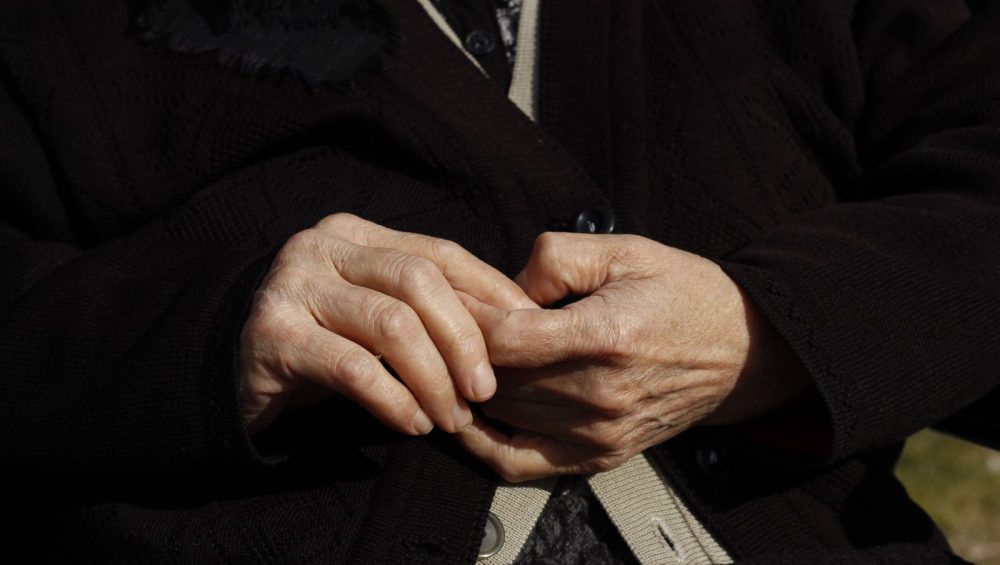
Short answer: Hands get almost as much sun as the face and a fraction of the sunscreen. They are washed a dozen times a day, the skin on the back of the hand is thin, and they meet cleaning products, hot water and cold air all year. That combination shows. Daily broad-spectrum sunscreen on the backs of the hands, an appropriate moisturizer used consistently, and gloves for washing up and for cold weather do change how hands look over time. What a cream will not do is reposition tissue or stand in for a procedure.
People spend years on their face and almost nothing on the two things that appear in every photograph.
Why hands show it
They are in the sun constantly. Hands on the steering wheel, out of the car window, on the garden fork, on the dog lead. UVA passes through window glass, so driving counts. And the people who are most careful with sunscreen on their face usually stop at the jaw. In a four-and-a-half-year randomized trial in Queensland, Australia, adults under 55 assigned to daily broad-spectrum SPF 15 or higher sunscreen were 24% less likely to show increased skin aging, measured on the back of the hand, than adults who used sunscreen at their own discretion. Do You Need Sunscreen Every Day? explains the case.
They are washed all day. Every wash takes some surface oil with it, and hot water and strong soap take more. Add sanitizer, dish water and cleaning products and the surface rarely gets a chance to recover.
The skin is thin. The skin on the back of the hand is thin, and it sits over tendons and veins with little padding underneath. Everything that happens in it is visible immediately, which is not true of a cheek.
They live outdoors. Hands are bare when you are outside. Cold, dry air and wind take water off exposed skin faster, and the hands are usually the most exposed thing you own.
The washing problem, and the habit that fixes it
You are not going to wash your hands less, and you should not. The fix is what happens in the ten seconds afterward.
Keep a hand cream wherever you wash: the kitchen sink, the bathroom, the desk, the bag, the bedside. Apply while hands are still slightly damp, because that holds water already on the skin. This works as a habit, not as a protocol. Keeping moisturizer conveniently available makes consistent use easier.
Gloves are the other half. Rubber gloves for dishes and cleaning products, warm gloves in cold wind. Both keep the two harshest things off your hands for the price of remembering.
What actually changes how hands look
Hydration. Dry, rough hands look older than smooth, well-hydrated ones, and this is the fastest visible change available. Choose an appropriate moisturizer and use it consistently, after washing and again before bed.
Sun protection. Broad-spectrum sunscreen on the backs of the hands every morning, reapplied after washing when you can. This is prevention: it protects against further sun exposure rather than changing how hands look this week.
Gentle exfoliation when it suits your skin. A body polish used lightly, following its directions, smooths a rough surface so it catches light more evenly. How often depends on your skin and how it responds. Avoid exfoliating cracked, irritated or sore skin, and never press hard.
Patience with tone. Sun spots on the backs of the hands are slow to change. Any improvement in their appearance is gradual, and it depends on daily sun protection alongside whatever else you use. Dark Spots and Uneven Skin Tone covers what is realistic.
Treating them as part of the body. Whatever you use on arms and legs can go on hands. Do You Need a Body Skincare Routine? has the whole routine in one page.
Be honest about the limits
The appearance of crepey skin on the hands can improve. Well-hydrated skin looks smoother and reflects light more evenly, and that is a real cosmetic difference you can see. The appearance of dark spots can improve too, slowly, with consistent care and sun protection.
What no topical product does is reposition tissue, replace the padding that thins under the skin over the years, or reproduce the result of a procedure. Those are different categories of thing. In-clinic treatments are a separate class from retail skincare: they are selected and administered by qualified practitioners, and a cream is not a smaller version of one. Be wary of any promise that a hand cream will do what a clinic does. Crepey Skin on the Neck and Décolleté makes the same distinction for the neck.
Victoria’s approach
Victoria Nash, founder of Esenté Skincare and Younger You Clinique, has been a licensed aesthetician since 2004 and is an experienced skincare educator. She draws on her professional experience at Younger You Clinique when evaluating skincare products and their performance. Her perspective on hands starts with prevention and sun protection. Victoria applies daily broad-spectrum sunscreen to the backs of her hands, and when driving she wears lightweight white linen gloves to help reduce continued sun exposure. That is her own preventive practice rather than a requirement for everyone, and it reflects how much sun hands collect in ordinary life.
For hands and body, the Esenté range includes the Shea Butter Ultra Rich Hydra Crème and the Cellaris Body Crème, with the Shea Butter Exfoliating Body Polish where exfoliation suits your skin. Follow the directions printed on whichever you use, and use a clean cosmetic spatula for anything taken from an open jar. Each is developed collaboratively by Victoria Nash with Esenté’s professional formulation and manufacturing partners, with Victoria providing product direction, ingredient research, professional-use feedback and performance requirements. If you want a second opinion on where to start, the Ask Victoria page is open.
Frequently asked questions
Why do my hands look older than my face?
They get similar sun and far less sunscreen, they are washed many times a day, and the skin on the back of the hand is thin with little padding under it. The face also gets daily care that hands rarely get.
What is the best thing to put on aging hands?
Broad-spectrum sunscreen on the backs of the hands every morning, plus an appropriate moisturizer used consistently, applied after washing while hands are still slightly damp. Choose a moisturizer that suits your skin and keep it where you will use it. Gloves for cleaning and cold help too.
Can you get rid of crepey skin on the hands?
The appearance can improve with consistent hydration, since well-hydrated skin looks smoother. No topical product repositions tissue or replaces what has thinned underneath, so be wary of anything promising that.
Do dark spots on hands ever fade?
Their appearance can improve gradually with daily sun protection and consistent care, and how much varies with the cause and the person. Show a spot that changes or looks unusual to a dermatologist.
Should I put sunscreen on my hands?
Yes, and reapply after washing when you can. Hands are among the most sun-exposed skin you have and among the least protected, which is a large part of why they age visibly.
Do gloves actually make a difference?
Yes. Rubber gloves keep dish water and cleaning products off the skin, and warm gloves keep cold, dry wind off it. Both remove a daily stress instead of trying to undo it afterward.
About the author. Victoria Nash, founder of Esenté Skincare and Younger You Clinique, has been a licensed aesthetician since 2004 and is an experienced skincare educator.
Reviewed by Victoria Nash, licensed aesthetician and founder of Esenté Skincare & Younger You Clinique. This article is educational and is not medical advice. Ask your dermatologist or licensed skincare professional about products appropriate for your own skin and medical history.